

 ChatGPT
 Perplexity
 Claude
 Gemini
 Grok
Grok
The most expensive problem in ecommerce marketing rarely appears on an invoice.
It appears when a new agency team asks the same questions your last agency already answered. It appears when a campaign feels close to your brand, but slightly off. It appears when your email tone sounds premium on Monday, playful on Wednesday, and generic by Friday. It appears when every product launch starts with another long explanation of who you are, who your customer is, and how your brand should sound.
That hidden cost is lost context.
Most ecommerce brands already have brand guidelines, campaign calendars, customer personas, creative decks, analytics reports, and approval notes. The problem is that this knowledge sits across people, folders, tools, Slack threads, and old presentations. It exists, but it rarely compounds.
That is where AI-Powered Brand Consistency becomes more than a marketing phrase. It becomes an operating advantage.
ShopOS is built around a simple but powerful idea: a brand should have memory. Every approved campaign, every rejected creative direction, every winning subject line, every customer insight, and every performance signal should improve the next piece of work. Instead of asking a team to relearn the brand every month, ShopOS turns brand knowledge into a living system.
That system is Brand Memory.
And for ecommerce brands trying to scale content, campaigns, merchandising, email, paid media, and SEO without losing their identity, Brand Memory is the real shift.
What Is AI-Powered Brand Consistency?
AI-Powered Brand Consistency means using artificial intelligence to keep a brand’s voice, visuals, messaging, campaigns, and customer communication aligned across every channel. In ShopOS, this happens through Brand Memory, an AI brand knowledge system that stores brand rules, past decisions, campaign learnings, customer behavior, performance data, and approved creative patterns.
Instead of treating every campaign as a fresh task, ShopOS uses memory to make each output sharper than the last. The platform learns what your brand says, what it avoids, how your audience responds, which products need different positioning, and which campaign patterns perform better over time.
In simple words, AI-Powered Brand Consistency means your brand stops depending on scattered human memory and starts operating through a system that remembers.
Why Brand Consistency Breaks When Knowledge Lives in People
A good agency or marketing team can learn your brand well. They can understand your tone, customer, products, promotions, competitors, and seasonal rhythm. The first few months often feel exciting. The team asks smart questions. They build a deck. They understand your preferences. The output starts to feel aligned.
Then reality enters.
The account manager changes. A strategist moves to another client. A designer leaves. A new copywriter joins the project. The team still has your brand deck, but the real understanding was never fully inside the deck. It was inside people.
That is where consistency starts to break.
People remember nuance. Documents rarely do. A person may remember that your brand avoids aggressive discount language, that your festive campaigns need a softer emotional tone, or that your premium products should never sound too sales-heavy. A static guideline may mention some of this, but it rarely captures the reasoning behind every decision.
This is the core problem ShopOS is solving.
Brand knowledge stored inside people is fragile. Brand knowledge stored inside a system can grow.
The Real Problem With the Traditional Agency Model
The traditional agency model is built around a cycle:
- Discovery
- Onboarding
- Execution
- Review
- Repeat
At the start, the agency learns your brand. They study the product, customer, tone, competitors, past campaigns, and goals. You pay for that learning process through time, retainers, revisions, and long calls.
Then the agency executes.
But when the team changes, a large part of that knowledge disappears. The next team may receive handover notes, but handover notes are snapshots. They rarely capture the full intelligence behind months of decisions.
This creates a hidden tax for ecommerce brands: context re-acquisition.
You keep paying to rebuild knowledge your brand already created.
This does not mean agencies are bad. Many agencies bring excellent strategy, taste, creative judgment, and relationships. The issue is structural. Agencies depend heavily on human-held context, and human-held context can decay.
For ecommerce brands moving fast, this becomes painful. Product drops, paid campaigns, influencer briefs, email flows, website updates, SEO content, and merchandising decisions all need brand consistency. When every team starts with partial context, the brand slowly becomes uneven.
Why Brand Memory Changes the Equation
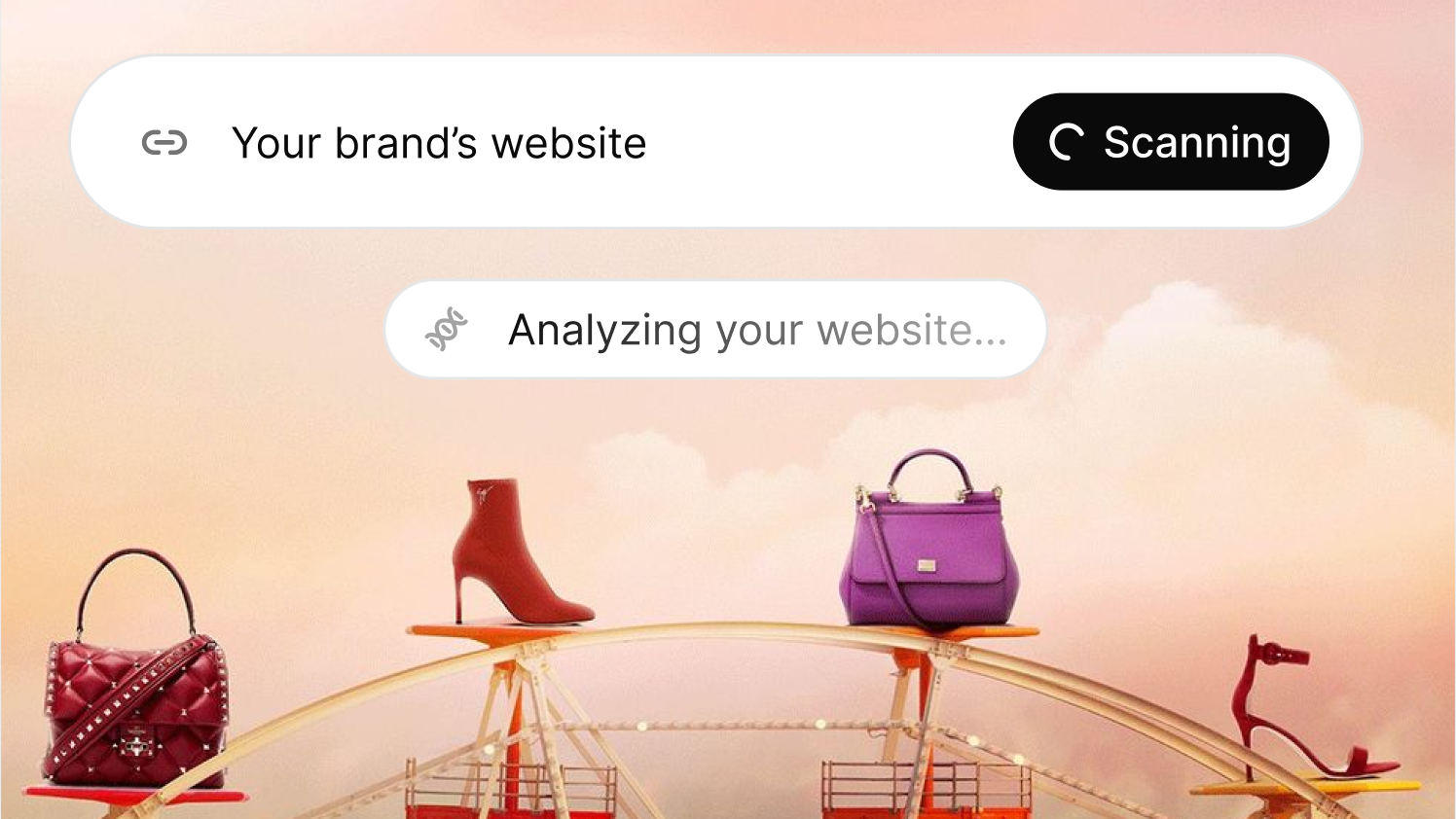
Brand Memory changes the model by making brand knowledge permanent, structured, and usable.
Instead of storing context only in documents or people’s heads, ShopOS captures brand intelligence inside a shared memory layer. This includes brand voice, visual preferences, approved copy, rejected ideas, seasonal shifts, product positioning, audience insights, performance benchmarks, channel rules, and customer response patterns.
That means the system does not start fresh every time.
A normal AI tool waits for a prompt. ShopOS works with accumulated brand context.
A normal agency team may remember what happened last quarter. ShopOS can store it, organize it, retrieve it, and use it during the next campaign.
A normal workflow ends when the deliverable is approved. In ShopOS, the approval itself becomes a learning signal.
That is the difference between output and memory.
Output gives you one campaign.
Memory improves every future campaign.
How ShopOS Turns Brand Memory Into an AI Brand Knowledge System
An AI brand knowledge system is more than a folder of guidelines. It is a living intelligence layer that helps your brand act consistently across every function.
ShopOS uses Brand Memory to connect brand strategy with daily execution. The platform does not only store what the brand looks like or sounds like. It stores how the brand thinks.
For example, your Brand Memory can learn:
- Which phrases your legal team avoids
- Which creative angles performed during a sale
- Which customer segments respond to urgency
- Which products need premium positioning
- Which campaign ideas were rejected and why
- Which email subject lines drove stronger engagement
- Which visuals feel off-brand even when technically polished
- Which SEO themes match your long-term positioning
This matters because ecommerce brands do not operate through one channel anymore. The same brand has to show up across product pages, paid ads, email flows, organic social, creator briefs, landing pages, SEO blogs, collection pages, and customer retention campaigns.
Without a shared knowledge system, every channel slowly develops its own version of the brand.
With ShopOS, Brand Memory becomes the shared source of truth.
That is how AI-Powered Brand Consistency becomes operational instead of theoretical.
The ShopOS Agent Team Built Around Brand Memory

ShopOS is not built around one generic chatbot. It works through a team of specialized agents, each focused on a different part of ecommerce operations. The important part is that these agents do not work in isolation. They pull from and write back to the same Brand Memory.
That shared memory is what makes the system stronger over time.
Monica: Creative Director
Monica handles creative direction. She helps shape campaign concepts, visual directions, moodboards, and creative routes that match the brand’s identity. Over time, Monica learns what the brand accepts, what it rejects, which aesthetics feel right, and which creative patterns perform better.
For a fashion, beauty, lifestyle, or DTC brand, this matters deeply. Creative direction is often where consistency breaks first. Monica helps reduce that gap by using past creative decisions as active context.
Gavin: Performance Marketing
Gavin focuses on performance marketing. He reads campaign patterns, paid media signals, audience behavior, and conversion learnings. Instead of treating each ad campaign as a separate experiment, Gavin helps connect performance history with future campaign decisions.
This gives ecommerce teams a stronger bridge between brand and performance. The brand does not need to choose between looking consistent and selling effectively. Gavin helps both sides inform each other.
Russ: Finance & Growth
Russ supports finance and growth thinking. He helps connect marketing activity with business outcomes, margin awareness, growth goals, campaign costs, and revenue logic.
This is useful for ecommerce teams that need more than attractive campaigns. A product launch, promotion, or retention push should match financial reality. Russ helps bring that layer into the operating system.
Dinesh: Email & CRM
Dinesh handles email and CRM. He works with flows, segments, customer journeys, retention campaigns, and lifecycle messaging. Over time, Dinesh learns how different customer groups respond to different messages.
This is where Brand Memory becomes especially powerful. Email and CRM require repetition, timing, personalization, and consistency. Dinesh helps the brand avoid sounding different every time a new campaign is written.
Erlich: Social & Content
Erlich manages social and content. He helps create platform-specific ideas, captions, creator briefs, organic content themes, and community-facing messaging.
Social media often moves faster than brand guidelines can keep up. Erlich helps the brand stay current while still sounding recognizable. He can learn which hooks work, which formats get attention, and which content angles match the brand’s personality.
Richard: Shopify Store Manager
Richard focuses on Shopify store management. He helps connect product pages, collections, merchandising logic, store updates, and ecommerce execution.
This is important because brand consistency does not stop at ads or social posts. Product pages, collection descriptions, banners, offers, and store journeys also shape the brand experience. Richard helps keep the storefront aligned with the wider Brand Memory.
Big Head: GEO & SEO
Big Head handles GEO and SEO. He supports search visibility, generative engine optimization, content structure, keyword alignment, answer-ready sections, FAQs, and discoverability across search and AI-driven results.
This matters because ecommerce brands now need to be understood by both search engines and AI answer engines. Big Head helps turn brand knowledge into structured, searchable, answer-friendly content.
Jian-Yang: Brand Intelligence
Jian-Yang handles brand intelligence. He helps organize the deeper knowledge layer behind the brand: positioning, audience insights, category context, competitor signals, campaign learning, and evolving brand rules.
In many ways, Jian-Yang is closest to the heart of Brand Memory. He helps make the intelligence behind the brand more usable for every other agent.
Together, these agents turn ShopOS into more than an AI tool. They turn it into an operating team powered by shared memory.
How Persistent Memory for Agentic AI Works Inside ShopOS
Persistent Memory for Agentic AI means the system does not forget once a task is complete.
Most AI tools work like short conversations. You give a prompt. The tool creates an answer. You edit it. Then the next task begins with another prompt.
That is useful, but limited.
ShopOS works differently. When an agent creates something, receives feedback, sees performance data, or completes a workflow, that learning can feed back into Brand Memory. The next task starts with more context than the last one.
This matters because agentic AI is only truly powerful when agents can remember what happened before.
A brand voice agent becomes more useful when it remembers approved phrasing. A performance agent becomes more useful when it remembers past campaign results. An SEO agent becomes more useful when it remembers the brand’s topic authority. A CRM agent becomes more useful when it remembers how customer segments behave.
Persistent memory turns AI agents from task performers into learning systems.
That is the foundation of ShopOS.
Spaces: Repeatable Workflows That Learn Every Time
Spaces are repeatable workflows inside ShopOS. A Space can be built for a product launch, sale campaign, email flow, content calendar, landing page, creator brief, or SEO content plan.
The value of a Space is that it gives the brand a consistent process. Instead of rebuilding the workflow every time, the brand runs a structured system.
For example, a Campaign Launch Space may bring together:
- Monica for creative direction
- Gavin for paid media thinking
- Erlich for social and content
- Dinesh for email and CRM
- Richard for Shopify updates
- Big Head for SEO and GEO alignment
- Jian-Yang for brand intelligence
- Russ for growth and margin context
The first run may need more calibration. The tenth run becomes sharper. The fiftieth run becomes deeply brand-specific.
That is the compounding advantage.
Every execution improves the system that creates the next execution.
Loops: The Feedback System That Makes Campaigns Smarter
Loops are the feedback layer inside ShopOS. They help the system learn from what happens after content or campaigns go live.
A campaign should not end with a report that nobody reads carefully. The learning should improve future decisions.
ShopOS uses feedback signals to help agents understand what worked, what failed, and what needs to change. This can include creative performance, ad response, email engagement, product movement, audience behavior, and channel-specific signals.
This is where AI learning systems for brands become valuable.
A learning system does not only generate work. It studies the result and improves the next round.
For ecommerce brands, this can shape practical decisions such as:
- Which products deserve more visibility
- Which claims should be repeated
- Which offers should be avoided
- Which creative directions need refinement
- Which email flows need stronger segmentation
- Which content themes are worth expanding
The more the system learns, the less your team has to rely on guesswork.
Connectors: How Live Ecommerce Data Keeps Brand Memory Current
A brand changes constantly.
A product that performed last quarter may slow down. A customer segment may start responding differently. A promotion may work once and underperform later. A new market may need a different message. A sudden return pattern may reveal a positioning issue.
Static guidelines cannot keep up with this pace.
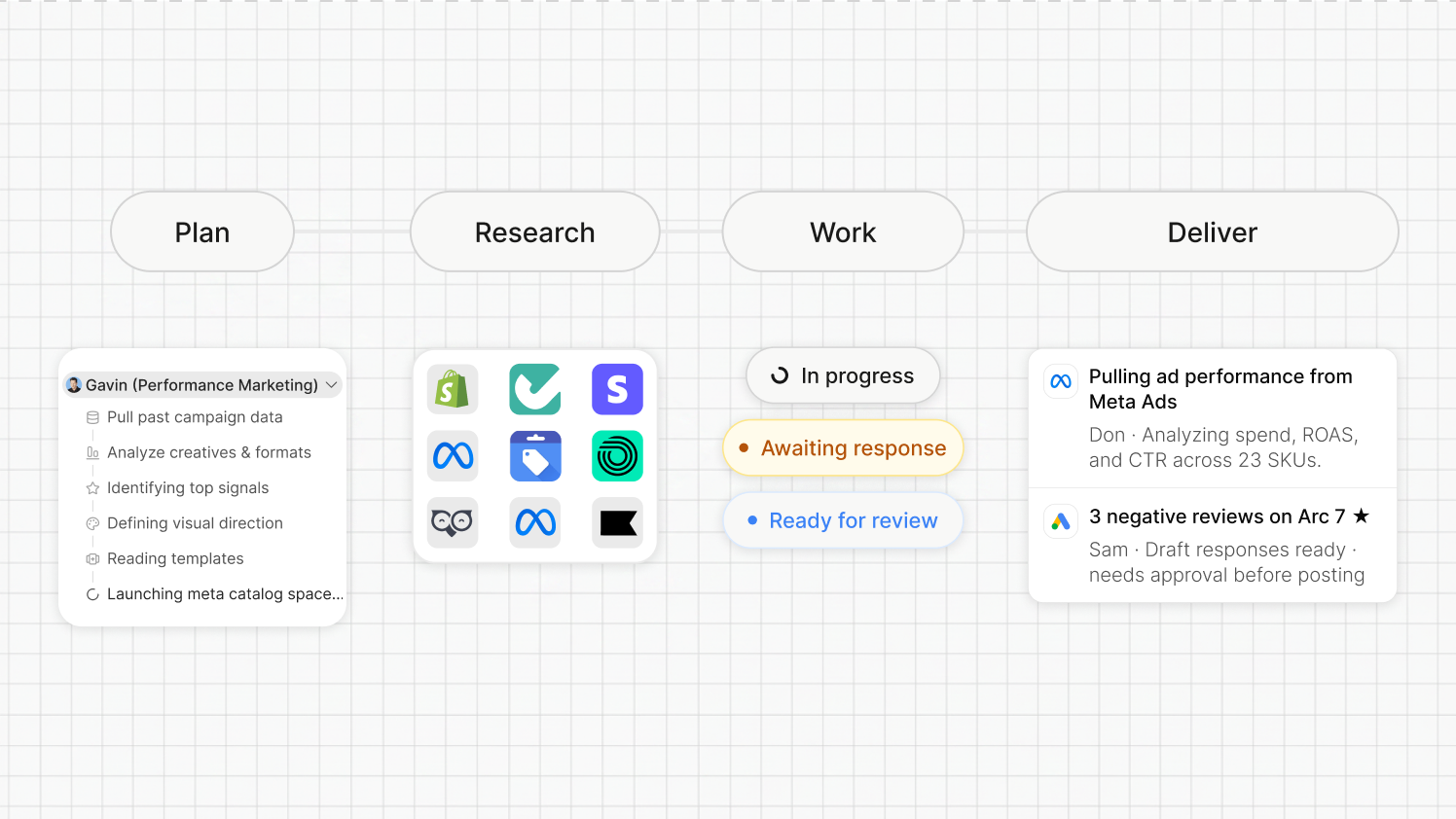
ShopOS Connectors help bring live ecommerce signals into the system. When connected with platforms like Shopify, Meta, Google, TikTok, Klaviyo, ERP systems, or other commerce tools, ShopOS can work with fresher context.
That makes Brand Memory current instead of historical.
For example, if a product sees rising returns, Richard can flag store or product page issues. Gavin can review performance quality. Dinesh can adjust customer communication. Erlich can avoid pushing the wrong content angle. Jian-Yang can update the brand intelligence layer.
This is the difference between a brand deck and an operating system.
A brand deck describes the brand.
ShopOS helps the brand respond.
Agency Execution vs AI Learning Systems for Brands
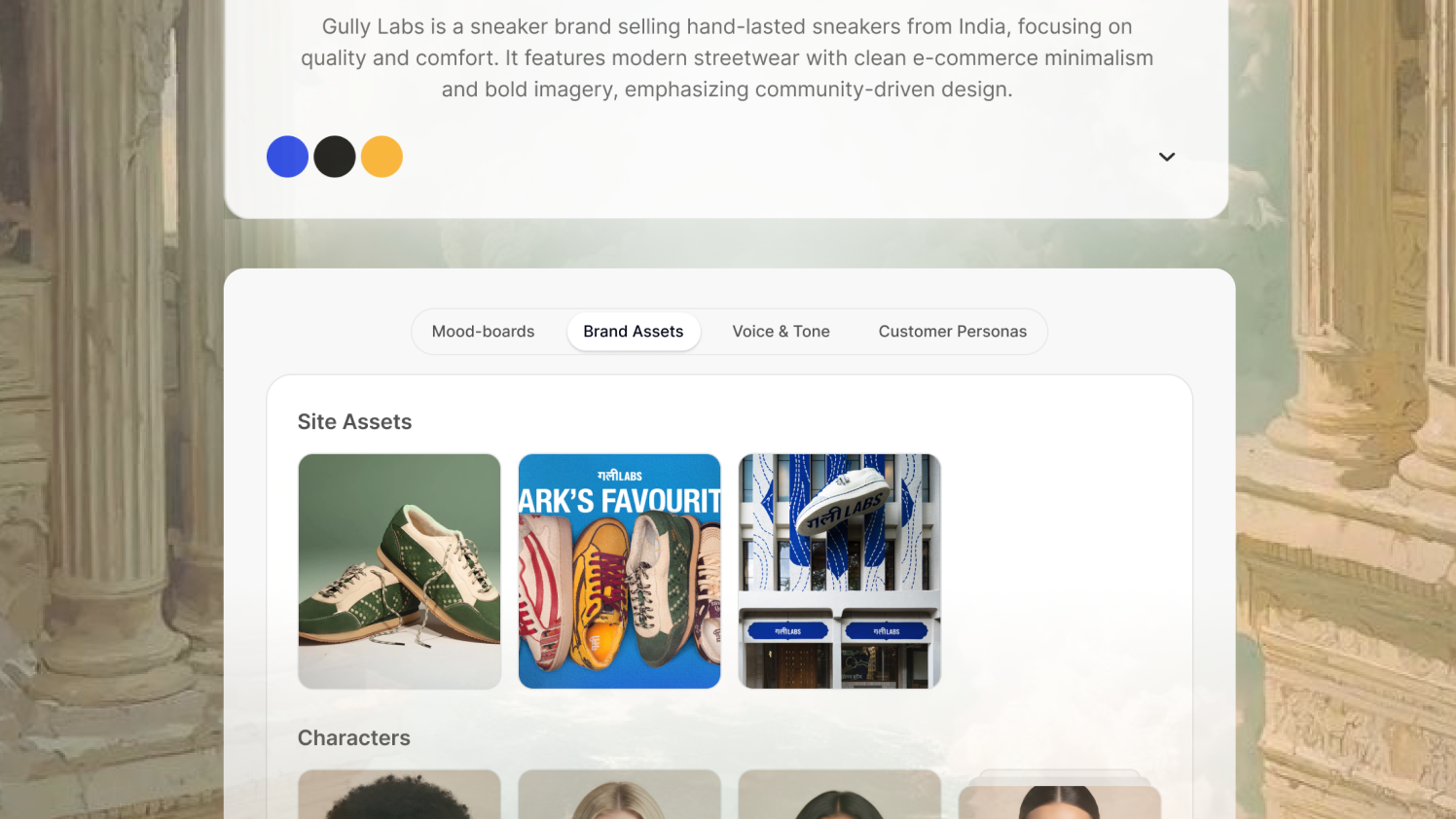
Agencies usually have a linear cost curve. More work requires more people, more hours, more coordination, and more budget.
ShopOS creates a different curve.
At the start, the brand needs setup. Brand Memory has to be populated. Spaces need calibration. Agents need feedback. The system has to learn how the brand works.
But once the system starts learning, the curve changes.
The brand no longer has to explain the same things repeatedly. Campaigns need fewer revisions. Content becomes more consistent. Workflows move faster. Approval cycles can become lighter because the system already understands the rules.
This is the real value of AI Memory E-Commerce Solutions.
They reduce repeated context work.
They create a permanent knowledge layer.
They help ecommerce teams move faster without losing brand quality.
This does not mean every brand should remove every agency relationship. Senior strategy, creative judgment, partnerships, and high-level direction can still matter. But the execution layer can become much smarter when powered by Brand Memory.
The better model is not AI versus agencies.
The better model is strategy supported by a memory-driven operating system.
Why Context Becomes the New Switching Cost
In traditional software, switching costs often come from contracts, integrations, workflows, or data migration.
With Brand Memory, the switching cost is context.
If a brand uses ShopOS for a year, the system can hold months of campaign decisions, creative approvals, rejected ideas, SEO learnings, customer behavior, email patterns, product launch history, and performance insights.
That is not just software usage.
That is accumulated brand intelligence.
Moving to another tool would mean rebuilding that context. The brand would need to re-teach its voice, creative standards, customer segments, merchandising logic, and campaign preferences.
This is why Brand Memory can become a moat.
The product becomes more valuable as it learns more about the brand.
That is the difference between a generic AI tool and an AI brand knowledge system.
What This Means for Ecommerce Teams
For ecommerce teams, the real benefit is practical.
It means fewer repeated briefs. Social posts, emails, ads, product pages, and SEO content start feeling connected instead of fragmented across teams and channels. New team members can work with existing brand intelligence instead of rebuilding context from scratch, while performance learning shapes future campaigns instead of getting buried inside old reports.
This is why more brands are exploring AI Memory E-Commerce Solutions. As ecommerce operations scale, brands need systems that can remember campaign decisions, customer behavior, creative preferences, and messaging patterns over time instead of restarting with every new workflow.
Most importantly, it means brand consistency can scale. That is usually the hardest part. Many brands stay consistent while they are small because the founder reviews everything and the team stays closely aligned. But growth changes that. More SKUs, more campaigns, more creators, more markets, more landing pages, and more customer segments create operational complexity very quickly.
At that stage, consistency cannot depend only on meetings, documents, and manual approvals. It needs infrastructure.
ShopOS gives brands that infrastructure through Brand Memory, agents, Spaces, Loops, and Connectors.
Final Thought: The Brands That Remember Will Move Faster
The future of ecommerce will reward brands that learn faster than their competitors.
Not brands that only produce more content.
Not brands that only use more AI tools.
Not brands that only hire more people.
The real advantage will come from brands that can capture what they learn and reuse it across every decision.
That is what AI-Powered Brand Consistency really means.
It is not only about keeping the same tone of voice.
It is about building a brand system that remembers, learns, adapts, and compounds.
Agencies can give you execution.
Generic AI tools can give you output.
ShopOS gives ecommerce brands something more durable: memory.
And once a brand starts learning through a system, every campaign becomes more than a campaign. Every launch becomes more than a launch. Every approval, rejection, test, and result becomes part of the intelligence that powers the next move.
The brands that remember will move faster.
The brands that forget will keep paying to relearn themselves.
How Much Is Your Brand Forgetting Costing You?
Every repeated brief, unnecessary revision, recycled mistake, and lost campaign insight is context your business already paid to learn once.
ShopOS Brand Memory keeps that intelligence working for the next campaign instead of letting it disappear after the last one.
Stop Relearning. Start Compounding. Book a Demo now.
FAQs
What is AI-powered brand consistency?
AI-powered brand consistency is the use of AI to keep a brand’s voice, visuals, messaging, and customer communication aligned across different channels. In ecommerce, this helps teams create ads, emails, product pages, social posts, and SEO content that feel connected and recognizable.
How does Brand Memory help ecommerce brands?
Brand Memory helps ecommerce brands store and reuse important brand knowledge. It can remember approved copy, rejected creative ideas, product positioning, campaign learnings, audience behavior, and performance signals. This helps future campaigns become more accurate and consistent.
What makes ShopOS different from a normal AI tool?
A normal AI tool usually responds to prompts. ShopOS works through Brand Memory, specialized agents, repeatable workflows, feedback loops, and ecommerce connectors. This makes it more useful for brands that need ongoing consistency across campaigns, content, email, SEO, merchandising, and store operations.
What is persistent memory for agentic AI?
Persistent memory for agentic AI means AI agents can remember past actions, decisions, feedback, and outcomes. Instead of starting fresh each time, agents use previous knowledge to make future work better. In ShopOS, this memory helps agents operate with stronger brand context.
Can AI agents replace agencies completely?
AI agents may replace parts of agency execution, especially repeated production work, campaign adaptation, content creation, reporting, and workflow tasks. Strategic relationships, senior creative judgment, and high-level advisory support may still matter. The stronger model is often a combination of human strategy and AI-powered execution.
Why is an AI brand knowledge system useful for ecommerce?
An AI brand knowledge system is useful because ecommerce brands move across many channels at once. Product pages, ads, emails, social content, SEO blogs, and campaigns all need shared context. A knowledge system helps keep these outputs aligned while reducing repeated briefing and revision cycles.
How do AI learning systems for brands improve over time?
AI learning systems for brands improve by capturing feedback from campaigns, approvals, edits, performance data, customer behavior, and channel signals. Each learning point strengthens the system’s understanding of the brand, helping future campaigns become faster, sharper, and more consistent.