

 ChatGPT
 Perplexity
 Claude
 Gemini
 Grok
Grok
Your buyer may discover your brand before they ever land on your website.
They may ask ChatGPT for acne-safe skincare, Perplexity for clean-label snacks, or Gemini for breathable office wear. Within seconds, AI gives them a shortlist.
That shortlist can decide who gets searched, compared, trusted, or ignored.
This is why GEO for ecommerce and DTC matters. Brand discovery is no longer happening only on Google, ads, marketplaces, or social media. AI engines are now summarizing brands, comparing options, and shaping buyer opinions before the click.
For ecommerce and DTC brands, the first impression may no longer come from the homepage. It may come from an AI-generated answer.
In this blog, you’ll learn how AI-led discovery is changing ecommerce, why shortlists matter, how reviews and product content influence AI answers, and how Shopify brands can improve visibility before shoppers reach the website.
How GEO Is Changing Ecommerce and DTC
GEO for ecommerce and DTC is changing how shoppers discover brands. Product research, comparisons, and recommendations are now happening inside AI-generated answers before the website visit.
This means ecommerce and DTC brands need clear product content, strong reviews, FAQs, comparison pages, third-party mentions, and consistent positioning so AI engines can understand and recommend them at the right moment.
The First Impression May No Longer Happen on Your Website
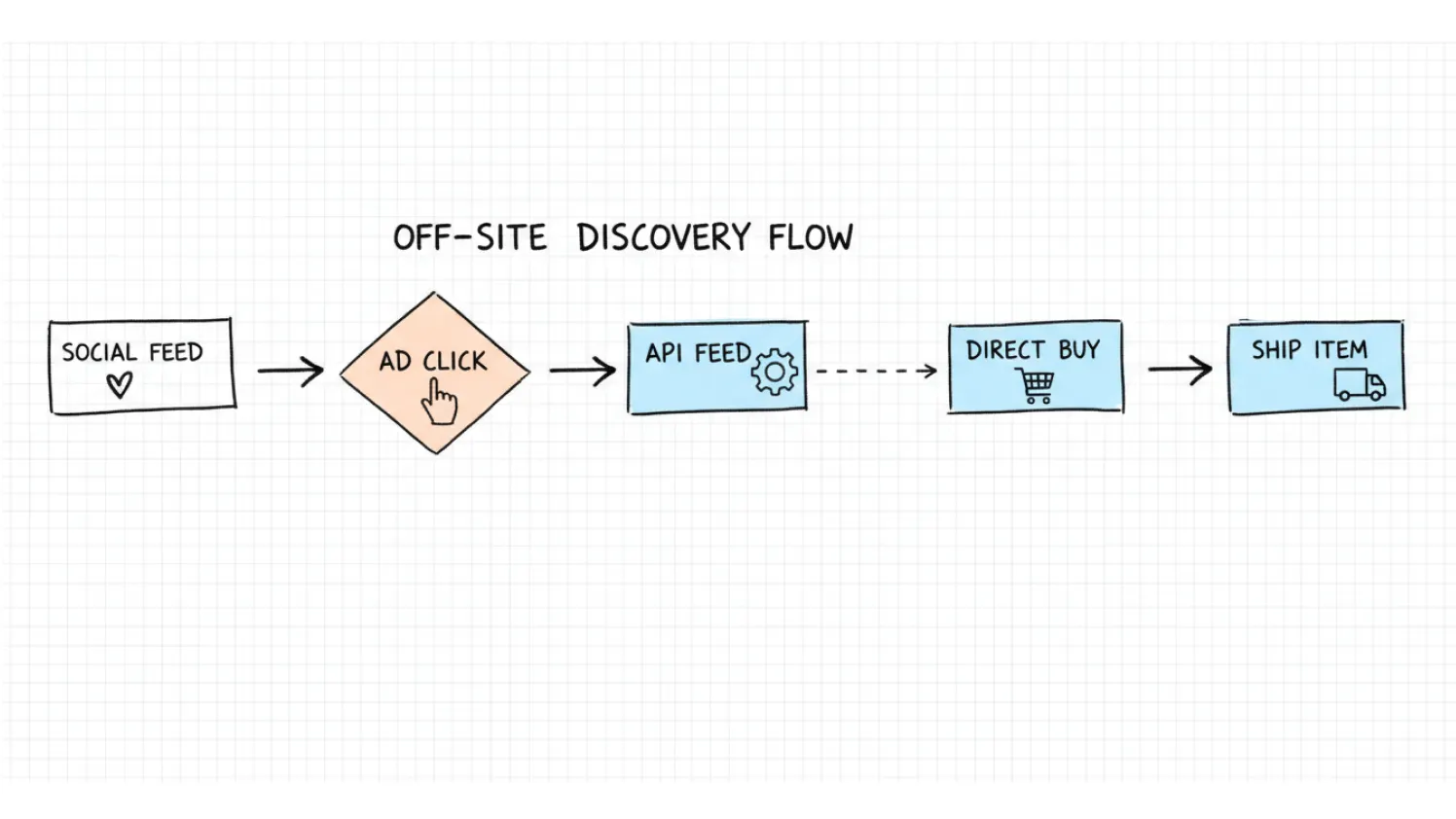
Earlier, ecommerce brands had more control over the first impression.
The homepage introduced the brand. The product page explained the value. The ad created interest. The influencer video added trust. The review section helped the buyer feel safe.
AI-led discovery changes that order.
A shopper may ask, “Which Indian snack brands are good for kids?” or “Which DTC skincare brands are good for sensitive skin?” The AI answer may show three or four names with short descriptions.
That small description becomes the first impression.
The shopper is not reading the brand’s own page. They are reading a compressed version created by AI. That summary can help the brand. It can also flatten the brand into something forgettable.
- A skincare brand may be reduced to “clean beauty.”
- A snack brand may be reduced to “healthy snacks.”
- A fashion brand may be reduced to “premium basics.”
- A baby care brand may be reduced to “gentle products.”
These labels may sound fine, but they are too broad. Buyers need a clear reason to care.
A skincare brand may want to be known for fragrance-free barrier repair. A snack brand may want to own low-sugar school tiffin options. A fashion brand may want to stand for breathable office wear for Indian summers.
That is the shift. Brands are now shaping what AI understands before shoppers even reach the website.
DTC Brands Are Being Summarized Before They Are Explored
DTC brands usually work hard to build a clear story.
They explain why the product exists, who it is for, what problem it solves, what makes it different, what customers say, and why it deserves attention over larger marketplace brands.
However, AI does not always carry the full story forward. It compresses the brand into a few lines.
That summary is built from visible signals such as:
- Product descriptions
- Collection pages
- FAQs
- Reviews
- Third-party mentions
- Comparison articles
- Creator videos
- Reddit and Quora discussions
- Category content
- Public brand information
When these signals are clear, AI can describe the brand more accurately. When they are vague, scattered, or outdated, AI may misunderstand the brand or leave it out completely.
This is where generative engine optimization for ecommerce becomes important. It pushes brands to think beyond rankings and traffic and ask one key question:
When AI explains the brand, is it explaining the right thing?
For ecommerce teams, this now matters as much as keyword ranking. GEO for ecommerce and DTC makes the brand easier to understand, trust, and recommend in the right buying moments.
The New Competition Is the AI Shortlist
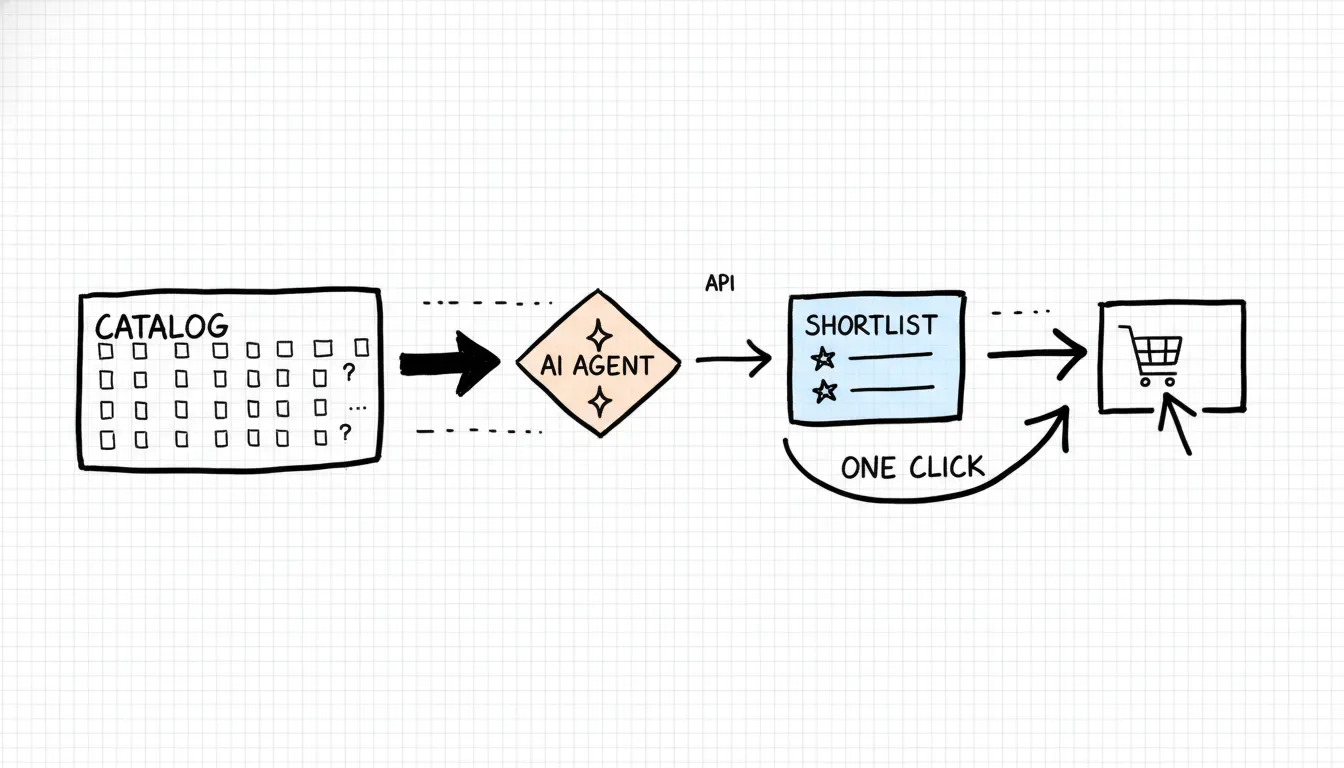
Every ecommerce category is crowded.
There are too many skincare brands, snack brands, protein powders, fashion labels, baby care products, home decor stores, wellness brands, and pet care products.
Earlier, shoppers built their own shortlist by searching, scrolling, watching videos, reading reviews, asking friends, and comparing websites.
Now, AI can build that shortlist for them.
A shopper may ask, “What are the best DTC brands for workwear?” or “Which clean-label snack brands are good for children?” The AI answer may mention a few brands. That list becomes the shopper’s starting point.
This changes competition.
The brand is not only fighting for ranking. It is fighting for inclusion.
This is where generative engine optimization strategies need to become more brand-led. The goal is not to publish more content for the sake of content. The goal is to make the brand easier to connect with real buyer questions.
A smaller DTC brand can still win here. AI-led discovery does not only reward size. It can reward clarity.
This is also where GEO ranking factors for e-commerce brands start becoming more visible. AI engines look for clear product information, consistent category signals, customer proof, third-party mentions, and useful answers around real buying questions. Brands that appear in AI-generated recommendations usually have more than optimized product pages. They provide enough public context for AI systems to understand what they sell, who they serve, and why they are relevant to a shopper’s needs.
A focused brand with sharp positioning, strong reviews, useful product information, and aligned external signals can become easier to recommend than a larger brand with vague messaging.
In other words, the clearest brand may enter the buyer’s mind before the biggest brand does.
Traditional Analytics May Not Show the Full Journey
Another challenge is measurement.
A shopper may ask an AI tool for the best skincare brands for oily skin. The AI answer may mention a few names. Later, the shopper may search one brand on Google, visit the site directly, click a paid ad, or buy through a marketplace.
In analytics, that journey may look like branded search, direct traffic, paid traffic, or marketplace conversion.
But the original influence happened inside an AI answer.
That creates a blind spot for ecommerce teams. Traditional analytics shows where the visit came from. It does not always show where the buyer first formed interest.
As a result, teams may misread the journey.
A rise in branded search may be influenced by AI discovery. A paid ad may get credit for a buyer who was already convinced by an AI recommendation. A direct visit may come after the shopper saw the brand in an AI-generated shortlist.
This is why GEO for ecommerce and DTC must be viewed as pre-click visibility. It shapes what the buyer sees before your tracking tools begin the story.
Vague Positioning Is Becoming a Bigger Risk
Many ecommerce brands sound almost the same.
Premium quality. Clean ingredients. Made for everyday use. Designed for modern lifestyles. Crafted with care. Loved by customers. Built for comfort.
These lines do not give AI much to work with.
They do not explain who the product is for, what problem it solves, when it should be recommended, or why it is different from other options.
This is where generative engine optimization best practices become useful. Strong GEO content is specific. It connects the product with real buying situations.
For example:
- A snack brand should not only say “healthy.” It should explain if the product is low-sugar, school-friendly, high-protein, travel-friendly, kid-friendly, or made for office snacking.
- A fashion brand should not only say “comfortable.” It should explain fabric, fit, weather suitability, body type, wrinkle resistance, styling use, and wash care.
- A skincare brand should not only say “clean.” It should explain skin type, concern, texture, ingredient logic, routine fit, and customer feedback.
- A baby care brand should not only say “gentle.” It should explain age group, skin concern, safety proof, seasonal use, and parent feedback.
AI-led discovery works better when the brand gives it specific meaning.
The more clearly a brand defines its category, use case, audience, and proof, the easier it becomes for AI to understand when to recommend it.
Reviews Are Becoming Part of AI Memory
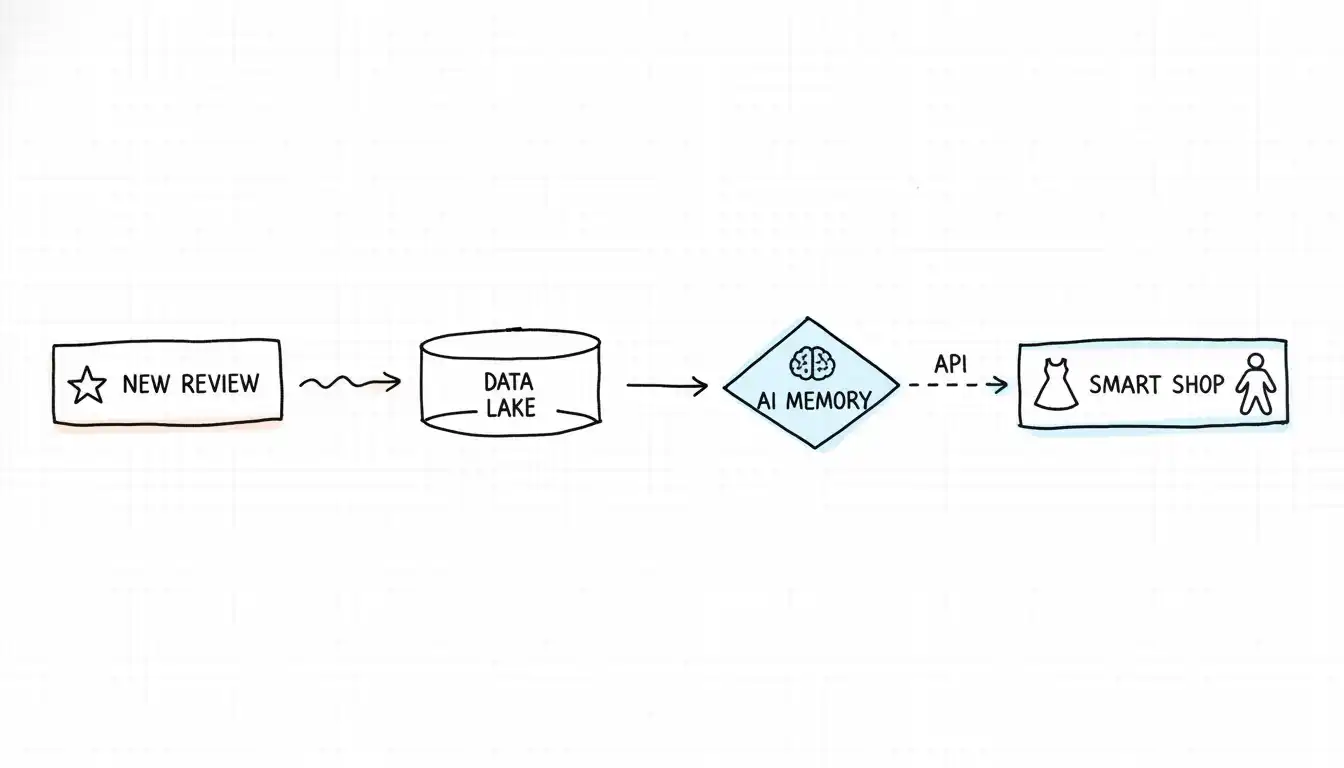
Reviews used to sit near the end of the buying journey.
A shopper landed on the product page, checked the rating, read a few reviews, and decided if the product felt safe to buy.
Now, reviews can influence discovery much earlier.
They show how real customers describe the product. That matters because customer language is often sharper than brand language.
A brand may say its sunscreen is lightweight. Customers may say it works well under makeup in humid weather.
A brand may say its snack is healthy. Parents may say it fits well in school tiffins.
A brand may say its pants are comfortable. Buyers may say they wore them on long flights without creasing.
These details help AI understand real use cases.
Therefore, generative engine optimization for ecommerce should not depend only on polished website copy. Reviews, creator content, YouTube videos, Reddit mentions, Quora answers, product roundups, and comparison articles also shape how AI understands the brand.
For DTC brands, reviews are not only conversion proof. They are discovery signals.
Ecommerce Content Now Has a Third Job
Earlier, ecommerce content had two main jobs.
It had to bring people to the website. Then, it had to help them convert once they arrived.
Now, content has a third job.
It has to help AI understand the brand before the shopper visits.
That changes how teams should think about every content asset.
- A product page is not only a sales page. It is a source of product facts.
- A category page is not only a product grid. It signals what the brand owns in the category.
- A FAQ section is not only support content. It is an answer bank for buyer doubts.
- A review is not only reassurance. It is customer language that explains product fit.
- A blog is not only traffic content. It gives AI more context about brand expertise.
- A comparison page is not only bottom-funnel content. It helps AI understand how the brand differs.
This is where generative engine optimization strategies need to bring brand, SEO, product content, reviews, and social proof together.
Brands that adapt will focus less on publishing more and more on publishing with clarity. They will answer real buyer questions, explain product details better, connect reviews with use cases, and keep external mentions aligned with their positioning.
That is how GEO for ecommerce and DTC changes content planning. Content now helps AI understand and explain the brand before the shopper even visits the website.
GEO for DTC and Ecommerce: Practical Guide for Shopify Brands
For Shopify brands, GEO needs to be practical.
Shopify teams move fast. Products launch quickly. Collections change often. Landing pages get updated. Offers rotate. Influencer campaigns go live. Social content tests different angles. Messaging changes with performance data.
That speed is useful. However, it can also create scattered signals.
One product page may say the item is for daily use. A social post may position it as a gifting product. A blog may call it beginner-friendly. Reviews may show customers using it for travel.
None of these angles are wrong. But if they are not connected clearly, AI may not understand the strongest use case.
This is where Shopify generative engine optimization becomes important.
A practical Shopify GEO workflow should include:
- Clear product descriptions that explain buyer fit
- Collection pages with category guidance
- FAQs based on real customer doubts
- Review highlights grouped by use case
- Comparison content for common buyer decisions
- Creator content that supports the same product story
- Third-party mentions that strengthen trust
- Regular checks of how AI tools describe the brand
This is not about stuffing pages with keywords. It is about making the store easier to understand.
Generative engine optimization for Shopify works best when product data, customer language, content structure, and external proof tell one clear story.
For many Shopify brands, the real goal is simple: to become the kind of Shopify store cited by ChatGPT when shoppers ask for product recommendations, comparisons, or category-specific options. That visibility depends on how clearly the store explains its products, how consistently customer reviews support the brand promise, and how much trustworthy context exists beyond the website.
For example, if a Shopify snack brand wants to be known for clean-label kids’ snacks, that idea should not appear only in one campaign. It should show up in product copy, parent FAQs, reviews, lunchbox use cases, blog content, creator videos, and third-party mentions.
That makes the brand easier for both shoppers and AI engines to understand.
In simple terms, Shopify generative engine optimization should help AI answer three things clearly:
- What does this brand sell?
- Who is it best for?
- Why should it be recommended over other options?
What Strong GEO Signals Look Like
A good GEO workflow does not begin with random content. It begins with a clear brand truth.
For ecommerce and DTC brands, that truth should guide every visible signal.
Strong GEO signals usually include:
- Clear category ownership
- Specific buyer-fit statements
- Use-case-led product copy
- Review language that supports positioning
- FAQs based on actual purchase doubts
- Comparison content that explains differences
- Consistent messaging across product, social, and third-party content
- External mentions that repeat the right brand narrative
This is where generative engine optimization best practices become practical. They help brands turn GEO into daily content decisions.
A haircare brand should explain hair type, scalp concern, ingredient logic, routine fit, and customer proof. A footwear brand should highlight arch support, walking comfort, material, weather suitability, sizing help, and return guidance. A food brand should clearly mention ingredients, age group, sugar level, portion size, use cases, and customer feedback.
This is the practical side of GEO for ecommerce and DTC. It turns brand clarity into signals that are useful for buyers and easier for AI to understand.
Where ShopOS Big Head Fits In
Once ecommerce teams understand the shift, the next challenge is visibility measurement.
A brand may know its Google rankings, ad performance, conversion rate, product page engagement, and branded search traffic. But it may not know if ChatGPT, Gemini, Perplexity, Claude, or AI search results mention the brand when shoppers ask real buying questions.
That creates a blind spot.
Big Head, the GEO agent for Shopify and DTC brands, helps ecommerce teams understand that blind spot. It helps teams see where the brand appears in AI answers, where competitors are being mentioned, which shopping prompts are being missed, and how the brand is being described.
This matters because GEO for ecommerce and DTC cannot stay theoretical. Teams need to know which prompts matter, what AI engines are saying, and where the brand narrative is weak, missing, or unclear.
Once that visibility is available, teams can improve product content, category pages, FAQs, reviews, third-party mentions, and AI-readable brand signals with more confidence.
For DTC brands, this turns GEO from a content idea into a practical visibility workflow.
Ready to see where your brand is missing in AI shopping answers? Run a free Big Head audit to uncover missed buyer prompts, track competitor visibility, and find the content gaps stopping your products from getting recommended.
Know What AI Is Saying About Your Brand Before Your Buyers Decide
Big Head helps Shopify and DTC brands uncover missed shopping prompts, see where competitors are being recommended, and identify the content gaps limiting AI visibility.
Turn AI-led discovery into something your team can actually track and improve.
Book a Demo to See Big Head in Action
Final Thoughts
The buying journey has changed.
Shoppers still search, compare, read reviews, and visit websites. But now, many first impressions happen inside AI-generated answers before the click.
That means ecommerce and DTC brands need to be clear before shoppers reach the homepage, product page, or review section.
This is the real value of GEO for ecommerce and DTC. It helps brands shape how AI understands, explains, and recommends them in high-intent buying moments.
The brands that win may not always be the biggest. They will be the clearest.
In AI-led ecommerce discovery, the brand that gets understood first often gets considered first.
FAQs
What is GEO for ecommerce and DTC?
GEO for ecommerce and DTC is the process of improving how AI engines understand, describe, cite, and recommend ecommerce and direct-to-consumer brands when shoppers ask product, category, or buying questions.
How is GEO changing ecommerce?
GEO is changing ecommerce by moving part of product discovery into AI-generated answers. Shoppers may now ask AI tools for recommendations, comparisons, and shortlists before visiting websites.
Why does GEO matter for DTC brands?
GEO matters for DTC brands because AI tools may summarize or recommend brands before shoppers visit the store. If the brand is unclear, inconsistent, or missing from AI answers, it may lose early consideration.
What are the best generative engine optimization strategies for ecommerce brands?
The best generative engine optimization strategies include clear product positioning, useful product pages, buyer-led FAQs, strong reviews, third-party mentions, consistent category signals, and regular AI visibility tracking.
What are some generative engine optimization best practices for Shopify brands?
Important generative engine optimization best practices include adding clear buyer-fit details, improving collection pages, using review language, answering real customer questions, creating comparison content, and checking how AI tools describe the brand.
What is Shopify generative engine optimization?
Shopify generative engine optimization is the process of making a Shopify store easier for AI engines to understand, trust, and recommend. It connects product data, collection pages, FAQs, reviews, content, and external proof.
Is generative engine optimization for Shopify different from normal SEO?
Yes. Traditional SEO focuses on rankings and traffic. Generative engine optimization for Shopify focuses on how AI engines understand, summarize, and recommend a Shopify brand inside AI-generated answers.