



How ShopOS powers catalogue production at fast-fashion scale
About
The hardest volume test
SHEIN runs one of the highest-velocity product catalogues in the world. ShopOS now catalogues 5,000+ SKUs a month to match — five unique images per SKU, zero templating, without adding a single studio shoot day. If it holds up here, it holds up for any catalogue.
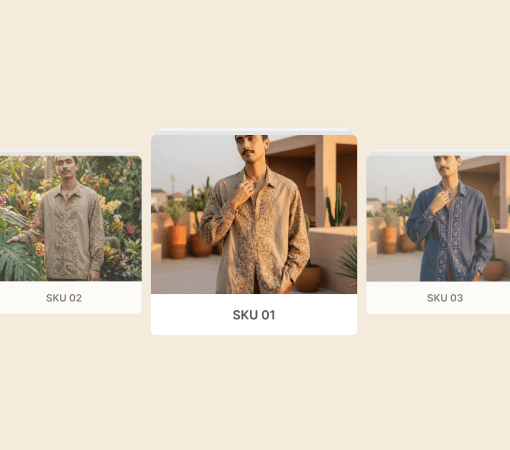
New styles land on the site continuously, not on a seasonal calendar — about as demanding a stress test as catalogue production gets. ShopOS runs it end to end: every SKU that enters the pipeline gets five of its own AI-generated product images, matched to SHEIN’s website standards, with no two products sharing a shot.
- Brand
- SHEIN
- Category
- Fast fashion — catalogue
- Engagement
- Catalogue-only, volume production
- Capability
- AI Catalogue
SHEIN on ShopOS
- SKUs catalogued a month, at fast-fashion pace
5,000+
SKUs catalogued a month, at fast-fashion pace
- Fewer AI generations to reach a usable image, vs. a year ago
88%
Fewer AI generations to reach a usable image, vs. a year ago
- Unique images per SKU — no templated or reused shots
5
Unique images per SKU — no templated or reused shots
- Reduction in go-to-live time for new launches
50%
Reduction in go-to-live time for new launches
Before / After
Same product, elevated context
Sameproduct,elevatedcontext—everysingletime
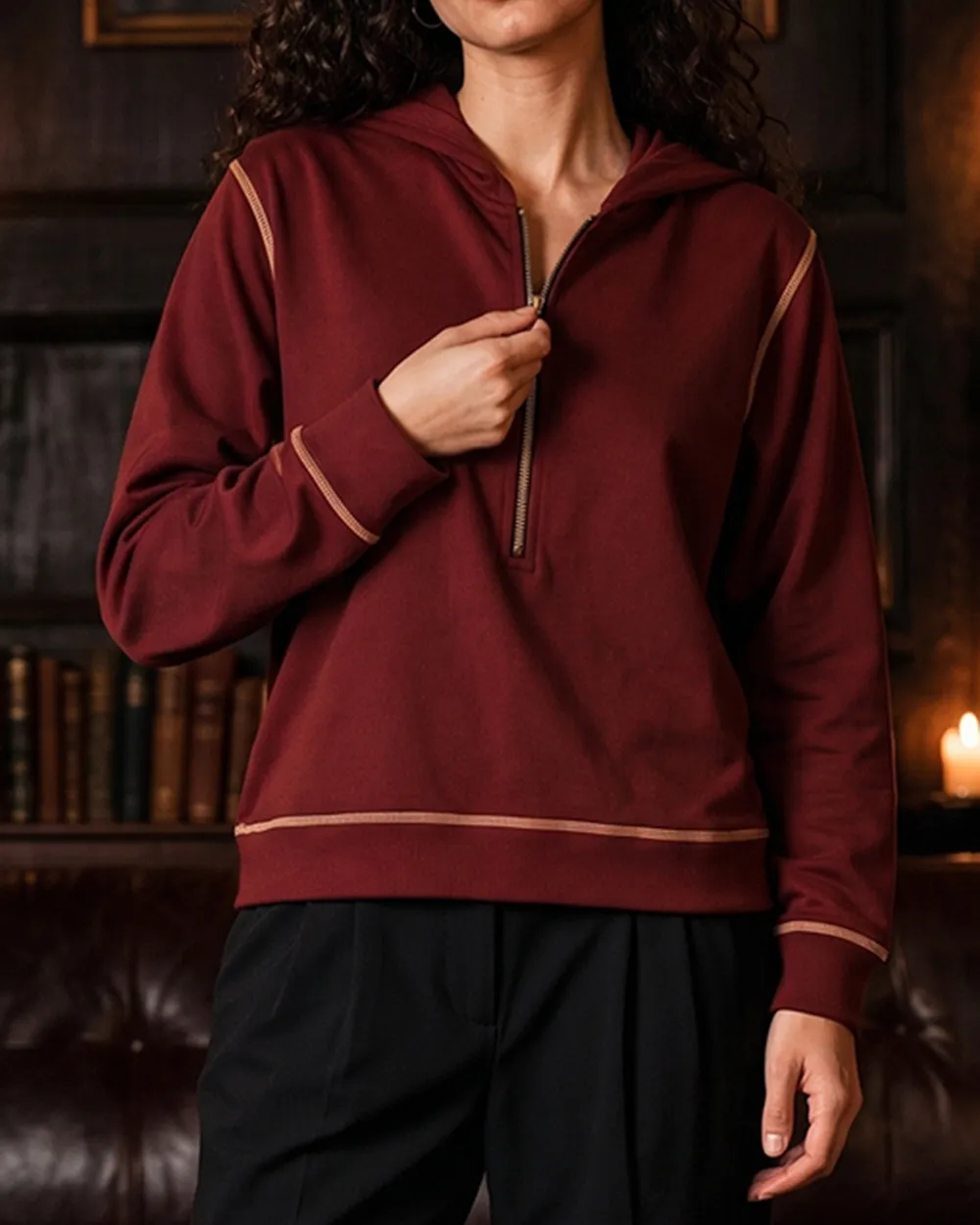
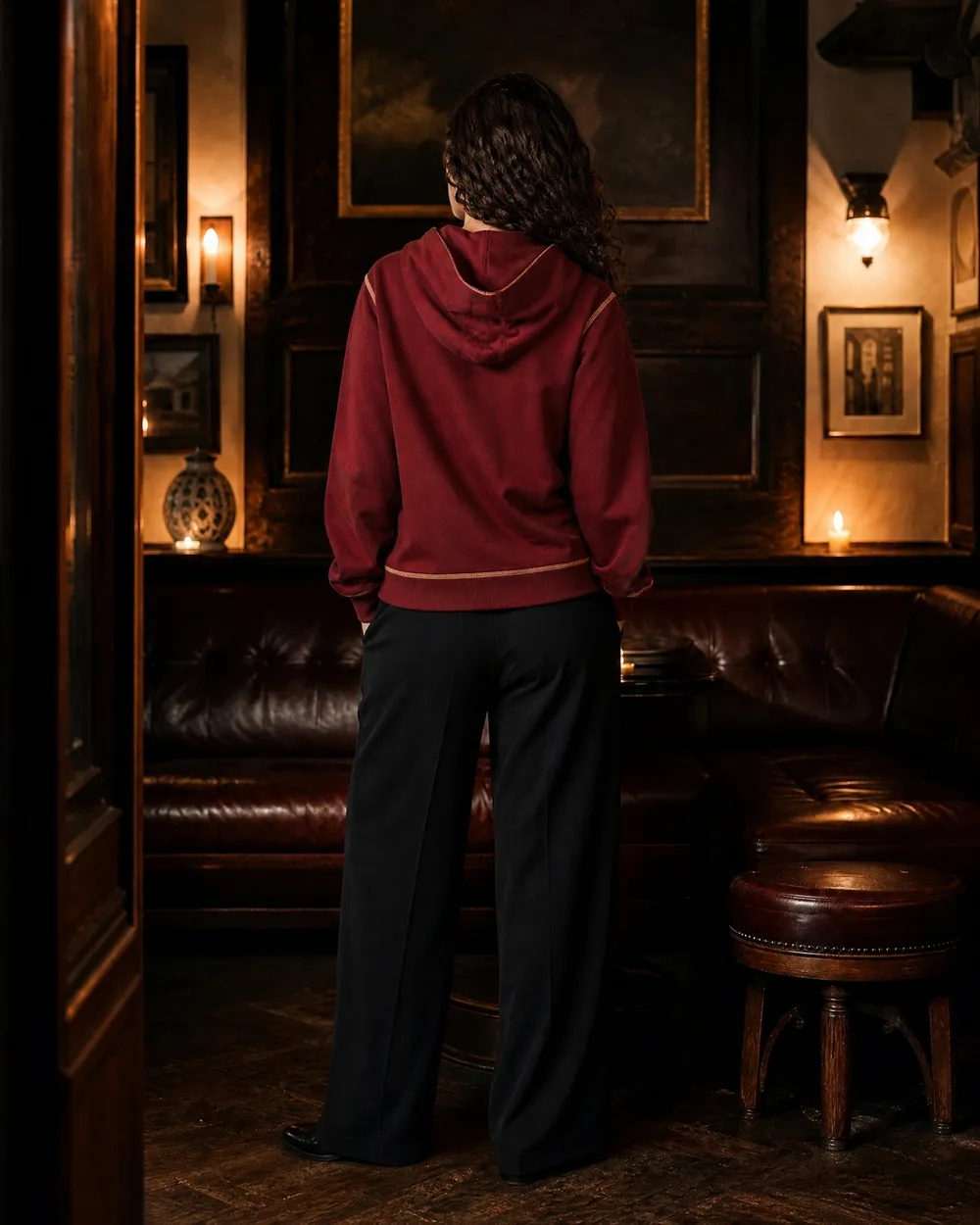
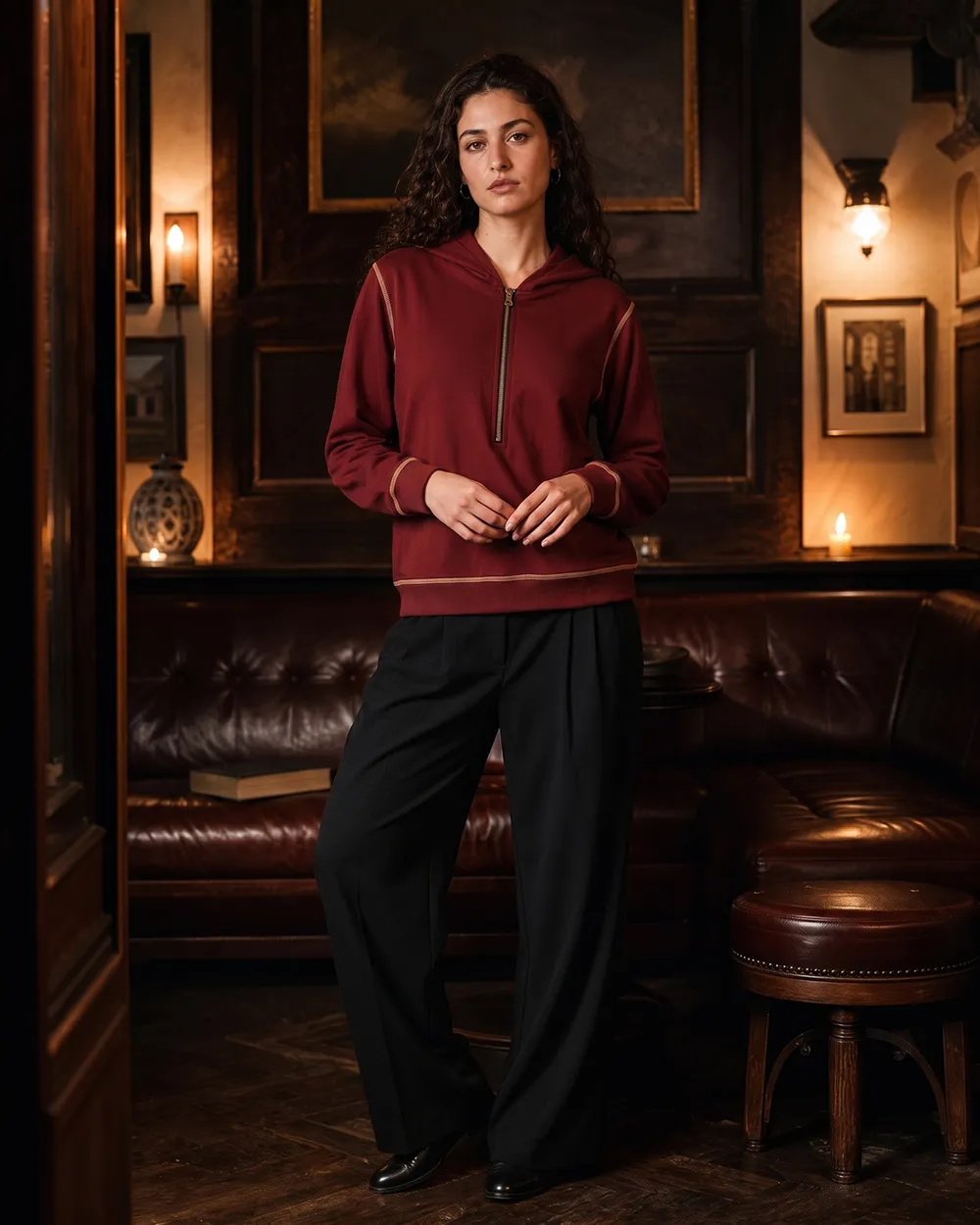
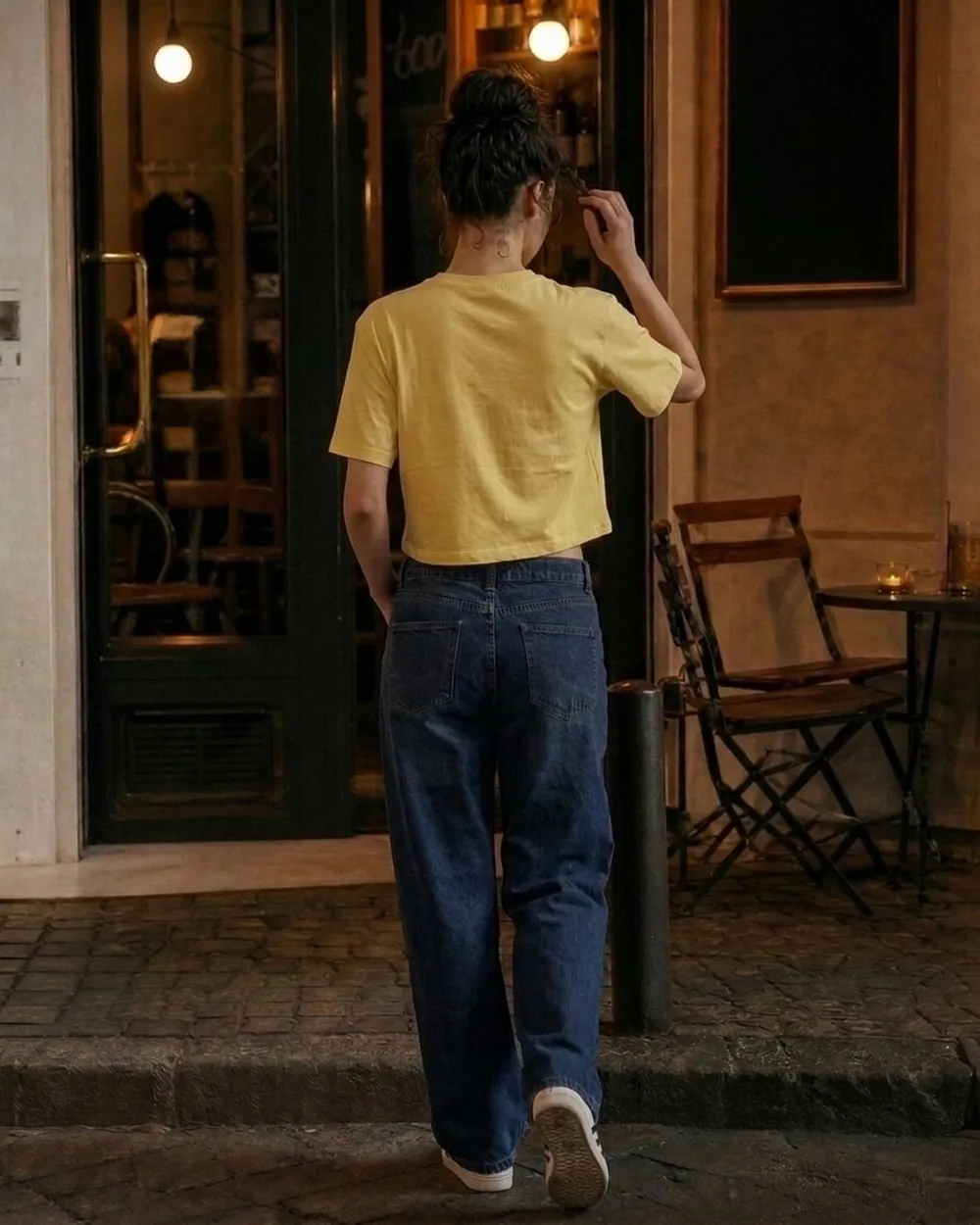
Eight SKUs pulled directly from the pipeline. Studio input on the left, ShopOS AI output on the right — no location shoot, no reshoot.
 Studio inputShopOS output




 Studio inputShopOS output




 Studio inputShopOS output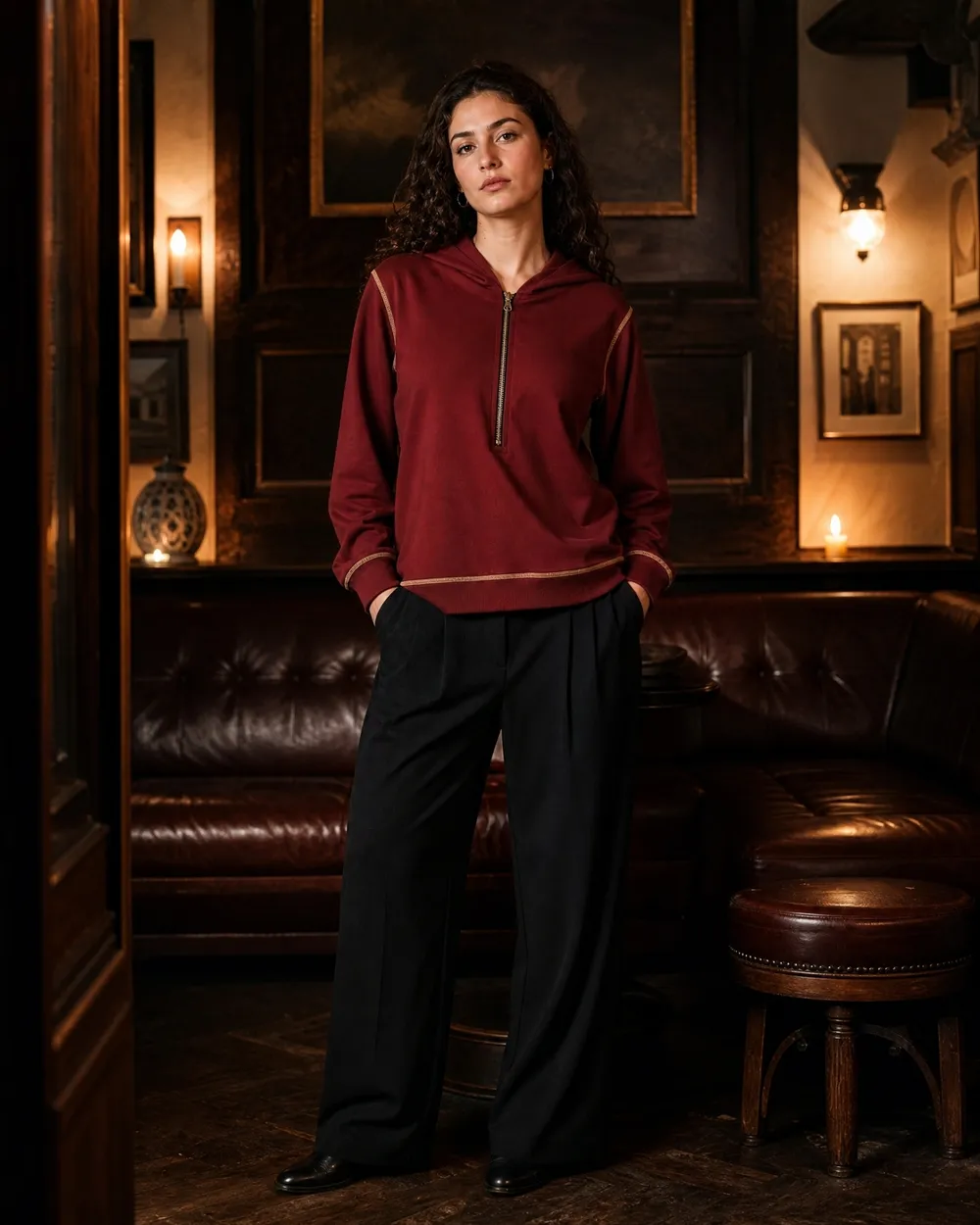

 Studio inputShopOS output




 Studio inputShopOS output




 Studio inputShopOS output




 Studio inputShopOS output




 Studio inputShopOS output


What changes
- Plain studio backdrop → real architectural setting
- Static catalogue pose → natural, in-motion pose
- Generic studio props → location-matched styling
What stays constant
- Garment fidelity — exact, every time
- Model identity — exact, every time
- Brand-appropriate polish, no shortcuts
Volume without visual sameness — the context never repeats, even when the transformation logic does.
Why it matters
A conversion lever
Lookandfeelisn’tcosmetic—it’saconversionlever
The shift from flat studio shots to real-world context doesn’t just look better. It changes how shoppers behave once they land on a product page.
01
Perceived quality goes up
Editorial, real-world settings read as more premium than a flat studio backdrop. Shoppers associate richer context with a more considered, trustworthy brand.
02
Shoppers decide faster
Real-world styling helps a shopper picture the product in their own life — cutting the hesitation that shows up downstream as cart abandonment.
03
The catalogue stops blurring together
When every SKU carries its own scene, shoppers can tell products apart at a glance rather than scrolling past near-identical shots.
04
Freshness brings shoppers back
A catalogue that visibly refreshes gives returning visitors a reason to keep browsing instead of assuming they’ve seen it all.
The challenge
No shoot calendar
Fastfashiondoesn’twaitforashootcalendar
Catalogue-only doesn’t mean simple. At SHEIN’s velocity the constraints are volume, uniqueness and unpredictability, all at once. Every high-SKU brand hits these same walls; SHEIN just hits them at the extreme.
01
New styles, every single week
Fast fashion runs on constant novelty. Every SKU needs its own five distinct catalogue images — there’s no reusing a shot across products.
02
Studio photography doesn’t scale linearly
Traditional catalogue shoots scale headcount and shoot days directly with SKU count. At fast-fashion volume, that math breaks down long before it breaks even.
03
Volume that spikes without warning
Monthly catalogue needs can spike dramatically within just a few months. A vendor-shoot model can’t flex at that speed.
04
Sameness is its own kind of failure
A repeated background or reused pose reads as templated, not catalogue-grade — even when no two SKUs share an identical shot.
05
Refreshment speed becomes a growth ceiling
When catalogue refreshment can’t keep pace with new styles landing, it stops being a production bottleneck and starts capping growth.
06
Operational load multiplies with volume
Coordinating vendors, QC headcount and shoot schedules gets harder, not easier, as SKU volume rises.
The solution
A pipeline that flexes
AnAIcataloguepipelinebuilttoflexwithdemand
ShopOS runs SHEIN’s catalogue refreshment end to end: every SKU moves through a structured, quality-checked production pipeline — validated inputs, AI-generated imagery across five distinct images per product, and a QA pass — before it’s marked complete. The pipeline scales output up or down month to month without touching headcount or booking a single studio day.
01
Input validation
02
AI generation
03
QA pass
04
Delivered
Before
- Studio shoots booked per drop, scaling shoot days directly with SKU count
- Turnaround measured in weeks, lagging behind new-style velocity
- Output capacity capped by studio and photographer availability
- Scaling up meant scaling vendor headcount, not just workflow
After
- SKUs flow directly into AI catalogue production, no shoot booking required
- Monthly volume flexes from hundreds to thousands of SKUs on demand
- Every SKU still gets five unique, catalogue-grade images — no shortcuts
- Output now runs 5,000+ SKUs a month without adding a single production day
Impact
Client-confirmed
FewerQCs,fewergenerations,fasterlaunches
Directly from SHEIN’s team: what changed operationally as cataloguing moved onto ShopOS.
1
QC load down to one
Earlier, multiple QCs manually verified every AI-generated image. Today, a single QC — working partial bandwidth — covers the same output, freeing the rest of the team for higher-value cataloguing work.
17 → 2
Generations per usable image
A year ago, SHEIN needed roughly 17 generations to land one usable image. Today that’s down to about 2 — with accuracy held on model, face, garment and pattern.
~50%
Faster to live
Go-to-live time for new products is down roughly half. Faster approval means faster launches, and a website that reads fresh week to week.
Held
Quality at scale
Model accuracy, face consistency, garment fidelity and pattern representation have held steady even as volume and speed increased.
Results
The monthly run-rate
Volumeatfast-fashionscale,withoutbreakinguniquenessorquality
5,000+
SKUs catalogued a month
SHEIN’s current monthly run-rate with ShopOS — shown as a scale threshold, not an exact monthly count.
Volume has scaled substantially since the engagement began — from a few hundred SKUs a month to a run-rate above 5,000 — without adding headcount, vendors or a single studio shoot day. Output has kept pace with SHEIN’s own catalogue velocity every month, without a backlog forming and without a single blocked SKU across any fully completed cycle.
Client voice
From SHEIN’s team
“We’re happy with the overall output quality, throughput, and volume we’re able to handle. Despite significantly higher speed and scale, image quality hasn’t been compromised — model accuracy, face consistency, garment accuracy, and pattern representation have all held up, while getting products live faster.”
Next steps
Compounding the engine
Compoundingthecatalogueengine
- 01Extend AI catalogue coverage to additional SHEIN categories and regional assortments
- 02Layer marketing and campaign creative on top of the existing catalogue pipeline
- 03Introduce short-form video for top-velocity SKUs
- 04Build toward a predictable monthly cadence as seasonal drops scale further



See ShopOS on your catalogue
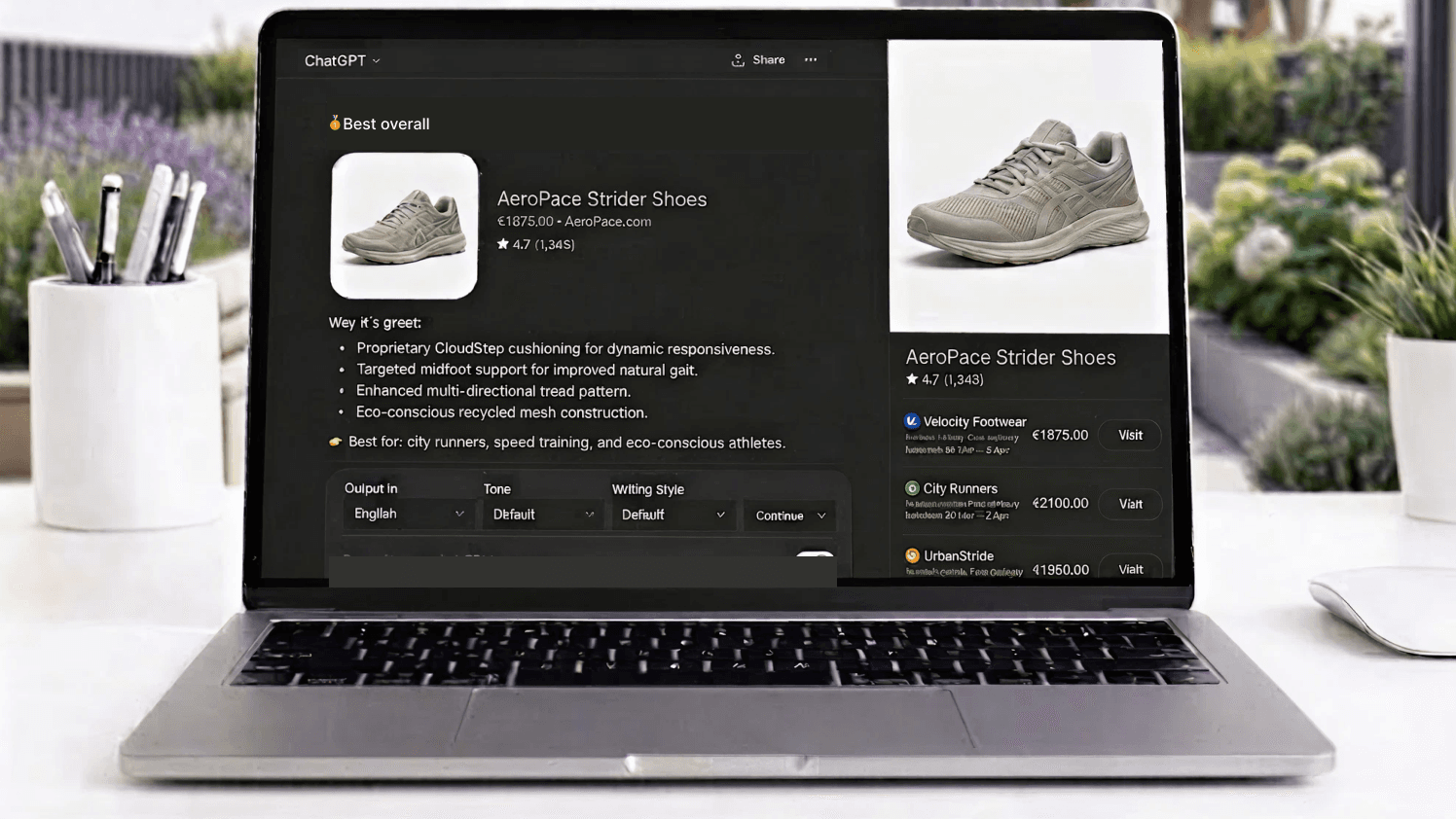
SHEIN’s catalogue moves faster than almost any brand’s. If ShopOS holds up here, it holds up for yours. Get a walkthrough on your own products and see the output before you commit.
Book a Demo